
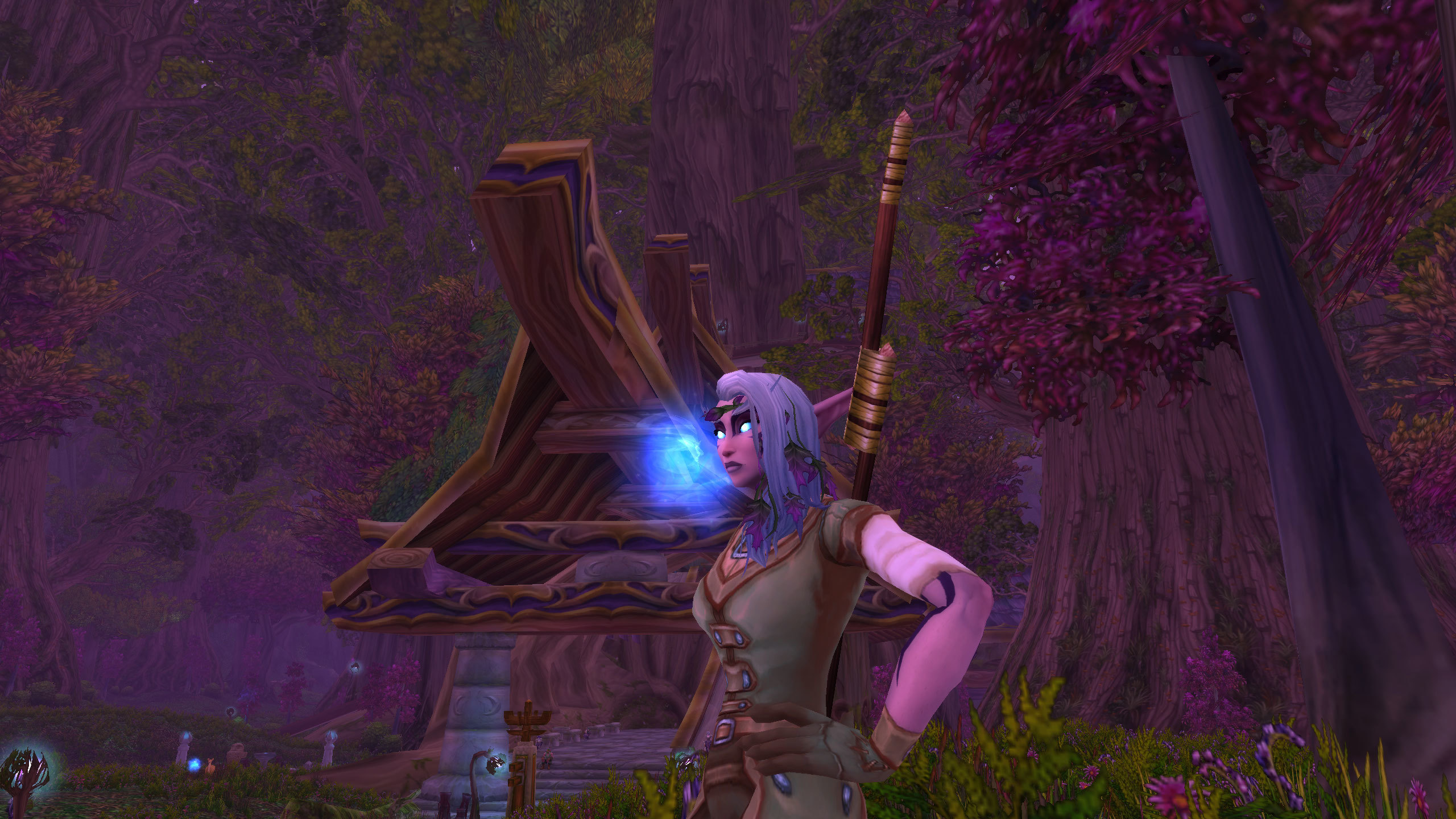
World of Warcraft has evolved dramatically since its launch in 2004, but the fingerprints of the original game—its zones, layouts, narratives, and visual language—still shape the structure of every modern expansion. Despite massive graphical improvements and more advanced storytelling, the core philosophies behind world design remain rooted in Azeroth’s earliest zones. From Elwynn Forest to Desolace, the DNA of those early landscapes echoes through the Dragon Isles, Shadowlands, and The War Within.
This article explores how Blizzard’s earliest worldbuilding choices laid the foundation for future expansions, why those simple environments continue influencing design, and how modern zones refine old ideas rather than replacing them.

The Philosophy of “Recognizable Simplicity”
Vanilla zones weren’t complex by modern standards, but they were iconic. Each zone had a clear theme, recognizable landmarks, and a memorable color palette. Players could describe zones in a single sentence—“the starter forest,” “the haunted woods,” “the red canyon”—which made the world easy to navigate. Modern zones still follow this principle. The Dragon Isles, for example, echo classic simplicity: icy tundras, lush plains, volcanic cliffs, and arcane forests.
This recognizability is essential to world navigation and immersion. Even with today’s complexity, Blizzard designs each zone so players instantly understand its mood and purpose.
Old Zone Layouts Shaped Modern Flow
Vanilla zones taught Blizzard how players move through the world. Early layouts emphasized loops, crossroads, and visual anchors that guided players without needing explicit instructions. Modern expansions refine this formula, but the core approach remains the same: players gravitate toward large structures, cliffs, or light sources, and designers use these natural instincts to shape quest flow.
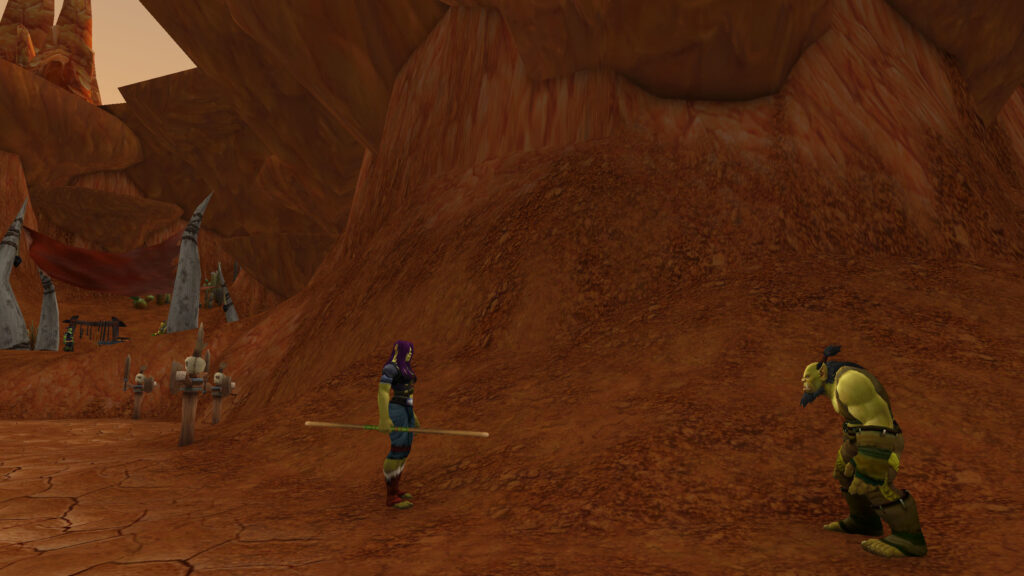
What began as a necessity in 2004 became a pillar of world design philosophy.
List: Classic Elements That Still Influence Modern Zones
Many of the signature design choices in Vanilla WoW continue to shape expansions today. These patterns appear in nearly every environment Blizzard creates.
- Biomes With Strong Identity: Each zone focuses on a clear environmental theme that defines its story and atmosphere.
- Landmark-Driven Navigation: Towers, cliffs, ruins, and oversized terrain features help players orient themselves.
- Creature Biome Logic: Enemy families cluster logically, creating ecological coherence.
- Quest Hubs as Micro-Stories: Small settlements build world identity through local conflict.
- Musical Identity: Each zone’s soundtrack reinforces mood and theme.
- Theme Consistency: Zones avoid tonal drift, keeping visuals and quests aligned.
These principles create continuity across expansions spanning decades.
Starter Zone Design Still Sets the Tone for New Worlds
Elwynn Forest, Durotar, Teldrassil, and Mulgore defined what a starter zone should feel like. Peaceful, spacious, simple, but full of character. Modern starter experiences such as Exile’s Reach follow the same blueprint: accessible combat, light storytelling, and iconic visual cues. Blizzard learned early that the first hour of gameplay determines how players perceive the world, and they’ve refined the formula rather than reinventing it.
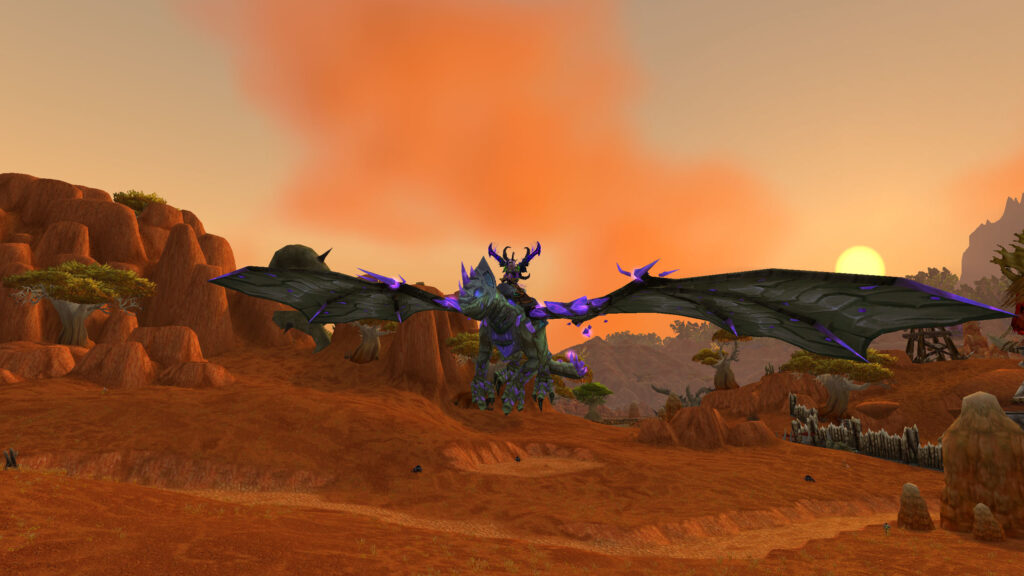
The consistency anchors new expansions within the familiar rhythm of Warcraft.
Environmental Storytelling Began in Vanilla
Long before fully voiced cutscenes or cinematic questlines, Vanilla relied on environmental storytelling. Broken wagons hinted at ambushes. Abandoned farms revealed plague outbreaks. Ruins, graves, and burned villages told silent stories. Modern expansions now elevate this technique with better graphics and dynamic events, but the foundation remains the same: players learn about the world by observing it.
Blizzard still uses environmental cues to foreshadow threats and deepen zone identity.
The Importance of “Playable Scale” Began in Early Zones
Vanilla zones weren’t realistic—they were designed at a “playable scale.” Hills were tall but manageable. Rivers were small enough to cross. Landmarks were oversized to ensure visibility. This technique persists today. Even in sprawling zones like Thaldraszus or the Waking Shores, Blizzard exaggerates terrain for gameplay clarity.
The stylized proportions of Vanilla shaped WoW’s entire approach to worldbuilding.
Old Narratives Continue Echoing in Modern Stories
Modern expansions frequently revisit themes from Vanilla zones: • druids and nature magic from Ashenvale • Titan constructs from Uldaman • elemental conflicts from the Barrens • plague and decay from Eastern Kingdoms
Even the Dragon Isles draw from Black Dragonflight stories seeded all the way back in places like Badlands and Burning Steppes. The War Within’s Earthen narratives originate from early Titan lore buried in Uldaman and Ironforge.
Blizzard continues to expand threads introduced nearly two decades ago.
Modern Visuals Evolved Directly From Classic Principles
While modern zones are far more detailed, their structure still mirrors classic design. Bright, flat color palettes helped Vanilla zones stand out in low-resolution environments. Today, Blizzard uses vibrant colors, exaggerated silhouettes, and strong contrast for readability. Modern terrain textures, foliage density, and lighting systems are more advanced, but the underlying style remains faithful to WoW’s origins.
This visual continuity keeps expansions feeling like Warcraft regardless of technological upgrades.
Classic Zones Encourage Exploration—A Lesson Modern Expansions Still Follow
One of Vanilla’s most enduring contributions is its open, curiosity-driven exploration. Hidden caves, small camps, strange NPCs, and tucked-away treasures encouraged players to wander off the main road. This design approach returned strongly in modern expansions with treasures, rares, scrolls, and puzzle boxes scattered throughout the world.

Exploration isn’t just a feature—it’s a tradition rooted in Vanilla’s early design.
The Importance of “Zone Identity” Across Expansions
From Westfall’s farms to Ironforge’s stone halls, Vanilla’s zones didn’t just look different—they felt different. Each had a personality. Modern expansions carry this approach forward, ensuring new regions feel distinct from one another. Ohn’ahran Plains evokes nostalgia for Nagrand; Azure Span echoes classic Northrend; Zaralek Cavern channels Deepholm’s subterranean mystery.
This dedication to identity keeps the world emotionally coherent.
Conclusion
While modern expansions introduce groundbreaking systems, advanced storytelling, and stunning environments, their foundations remain tied to the earliest days of Azeroth. Vanilla zones shaped how players explore, how they interpret landscapes, and how they connect emotionally with the world. Blizzard’s worldbuilding continues to honor these roots, refining and evolving them rather than leaving them behind.
The influence of those old zones persists not just in aesthetics, but in philosophy. Every new region, from the Dragon Isles to Khaz Algar, carries echoes of the places players first wandered two decades ago—reminding us that the heart of Warcraft’s world was defined from the very beginning.
Leave a Reply